Skip to content

Table of Contents
Skin treatments can feel overwhelming, especially when two popular options promise clearer, healthier-looking skin in very different ways. The conversation around Hydrafacial vs. chemical peel often comes down to comfort, results, and how much change your skin actually needs. At Vida Aesthetics & Wellness, patients often ask how these treatments compare and which one makes sense for their goals, lifestyle, and skin type.
Both treatments are proven, popular, and effective. The main difference is how they work under the skin and the results you see over time.
Understanding How Each Treatment Works
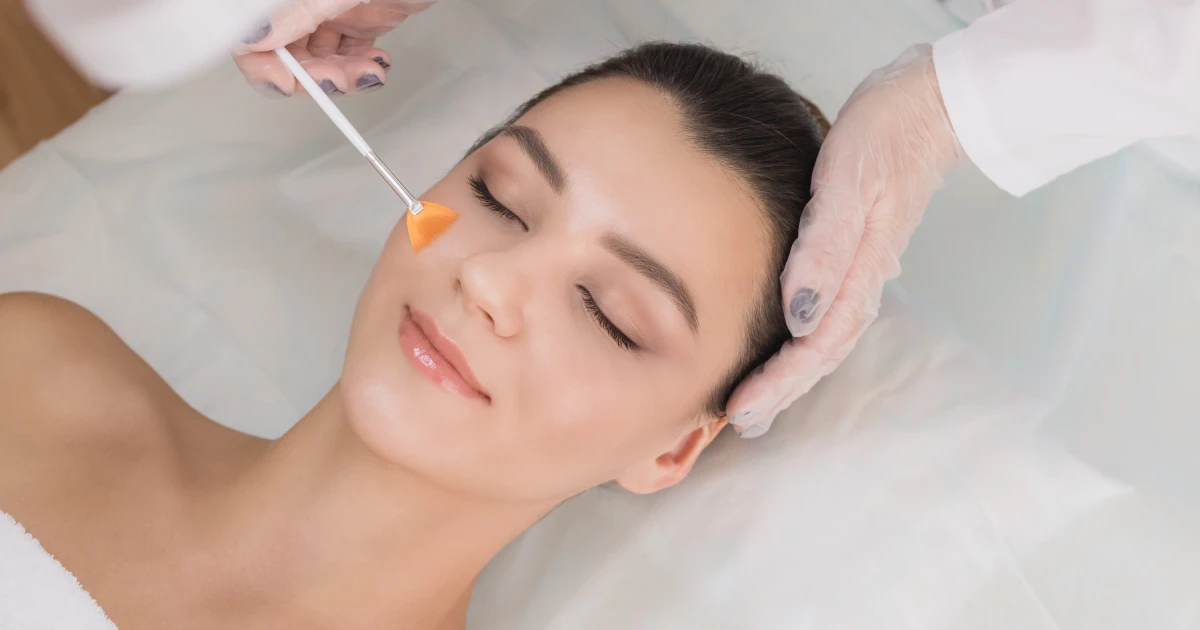
What a Chemical Peel Does for Your Skin
A chemical peel uses a special solution to remove dead skin cells and help new skin grow. The strength of the peel can be adjusted to treat mild texture problems or deeper issues like acne scars and fine lines.
The solution can include ingredients like alpha-hydroxy acids, beta-hydroxy acids, lactic acid, retinoids, or TCA. Each one helps with exfoliation, clearing pores, or supporting collagen. In the days after treatment, old skin sheds and smoother, more even skin appears.
Many people like chemical peels because they target stubborn skin problems, not just the surface.
How a Hydrafacial Supports Skin Health
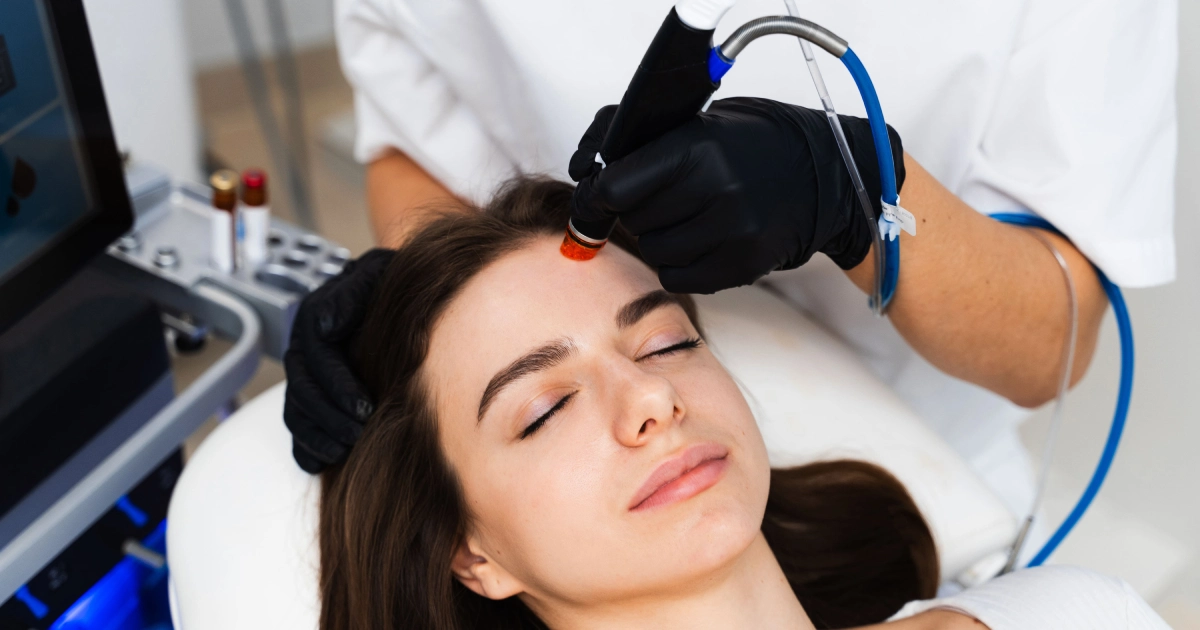
A Hydrafacial cleanses, exfoliates, removes buildup, and adds hydration all in one session. The process is gentle and uses a special device instead of manual extractions or harsh scrubs.
The treatment clears pores and delivers serums that help keep skin hydrated and balanced. With Deluxe or Platinum options, you can add boosters, LED light therapy, and lymphatic drainage for a more personalized experience.
This is why many people choose Hydrafacial when they want visible results without irritation or downtime.
Skin Concerns Each Treatment Handles Best
When a Chemical Peel Makes Sense
Chemical peels are often suggested for deeper skin concerns. They can help if you have breakouts, uneven tone, or fine lines that don’t improve with regular skincare.
A chemical peel for acne and wrinkles speeds up cell turnover and helps skin become smoother over time. After several treatments, people often see clearer pores, softer lines, and a more even complexion.
Since peels come in different strengths, recovery can range from light flaking to several days of peeling. This is why planning and professional advice are important.
Key Benefits of Chemical Peels
Chemical peels are valued for their ability to address skin concerns that sit below the surface.
The benefits of chemical peel treatments include improved acne control, reduced appearance of fine lines, softer texture, and more even pigmentation. By encouraging skin renewal, peels help fade discoloration and smooth areas affected by breakouts or sun exposure. With the right peel strength and spacing, results continue to improve as new skin develops.
For patients focused on correcting acne, visible texture, or early wrinkles, chemical peels often deliver more noticeable change over time.
When Hydrafacial is the Better Fit
Hydrafacial treatments are popular among patients seeking instant refreshment and hydration. The process supports clearer pores, smoother texture, and a healthy glow without visible peeling.
Many choose Hydrafacial for regular maintenance or before special events because it gives glowing skin with no recovery time. Your skin usually feels clean, hydrated, and balanced right away.
For patients in Texas, HydraFacial Treatments in Houston are often scheduled regularly to maintain results while adjusting serums as skin needs change with seasons, stress, or age.
Key Benefits of Hydrafacial
The appeal of Hydrafacial goes beyond convenience. Its biggest strength is consistency and skin comfort.
The benefits of Hydrafacial include deep cleansing without irritation, improved hydration, and a smoother texture after just one session. Because the treatment removes buildup while replenishing moisture, skin often looks clearer and feels balanced rather than tight or dry. Regular sessions help maintain pore clarity, support even tone, and improve how skincare products absorb over time.
For many patients, Hydrafacial is a steady, low-stress option for keeping skin healthy and refreshed year-round.
Comfort, Downtime, and Treatment Experience
Sensation during treatment
Hydrafacial treatments are widely described as comfortable. The device glides over the skin, and extractions feel controlled rather than aggressive.
Chemical peels can feel different for everyone. Some cause a warm or tingling feeling, especially the stronger ones. Any discomfort is usually short, but it can be more noticeable than with Hydrafacial.
Recovery expectations
Hydrafacial doesn’t require any downtime. You can put on makeup the same day and get back to your usual activities right away.
Chemical peels may cause redness, dryness, or peeling over several days, depending on the strength. Deeper peels require more aftercare and sun protection, which should factor into scheduling.
This contrast is a major point in any skin treatment comparison, especially for patients balancing busy schedules.
Results, Longevity, and Maintenance
How long do results last
Hydrafacial results are immediate and often last several weeks. With regular sessions, skin tone and texture tend to stay more consistent over time.
Chemical peel results appear gradually. After the peeling phase, your skin’s tone, clarity, and fine lines continue to improve as new skin forms. Several treatments may be required for lasting results.
Long-term skin strategy
Hydrafacial works well as a maintenance treatment. It supports skin health, hydration, and barrier function without overworking the skin.
Chemical peels are used when deeper resurfacing is needed. Many people switch between peels and gentler treatments once their main skin concerns improve.
At Vida Aesthetics & Wellness, providers often use both treatments together, depending on your skin’s needs, instead of choosing just one.
Safety, Customization, and Professional Guidance
Both treatments are safe when done by trained professionals. The main difference is how much they can be customized. Your skin type, sensitivity, and history are especially important with chemical peels.
Hydrafacial can be adjusted with different serums and add-ons, so it works for most skin types, even sensitive skin.
Chemical peels require careful selection of acids and strengths. Professional evaluation
So Which Option Fits Your Skin?
The best choice depends on your current skin needs. Hydrafacial helps with hydration, clarity, and regular care. Chemical peels are better for deeper issues like acne, texture, and early aging signs.
Many people find their needs change over time when choosing between Hydrafacial and chemical peels. A treatment plan that adapts as your skin changes usually gives the best results.
Skin care is most effective when it’s personalized. A consultation gives you a chance to talk about your concerns, expectations, and lifestyle, so you can choose the right treatment.
Book a consultation to explore Hydrafacial and chemical peel options and get guidance rooted in experience, not trends.
If you’re ready for clearer, healthier skin, contact Vida Aesthetics & Wellness. The team can answer your questions, go over treatment options, and help you create a plan that fits your skin and schedule.